Diamond nonstick coating
Based on patented active fusion-bonding technology, diamond particles achieve atomic-level bonding with the metal substrate. Applying this process to nonstick cookware validates the reliability of interface fixation strength under extreme operating conditions.

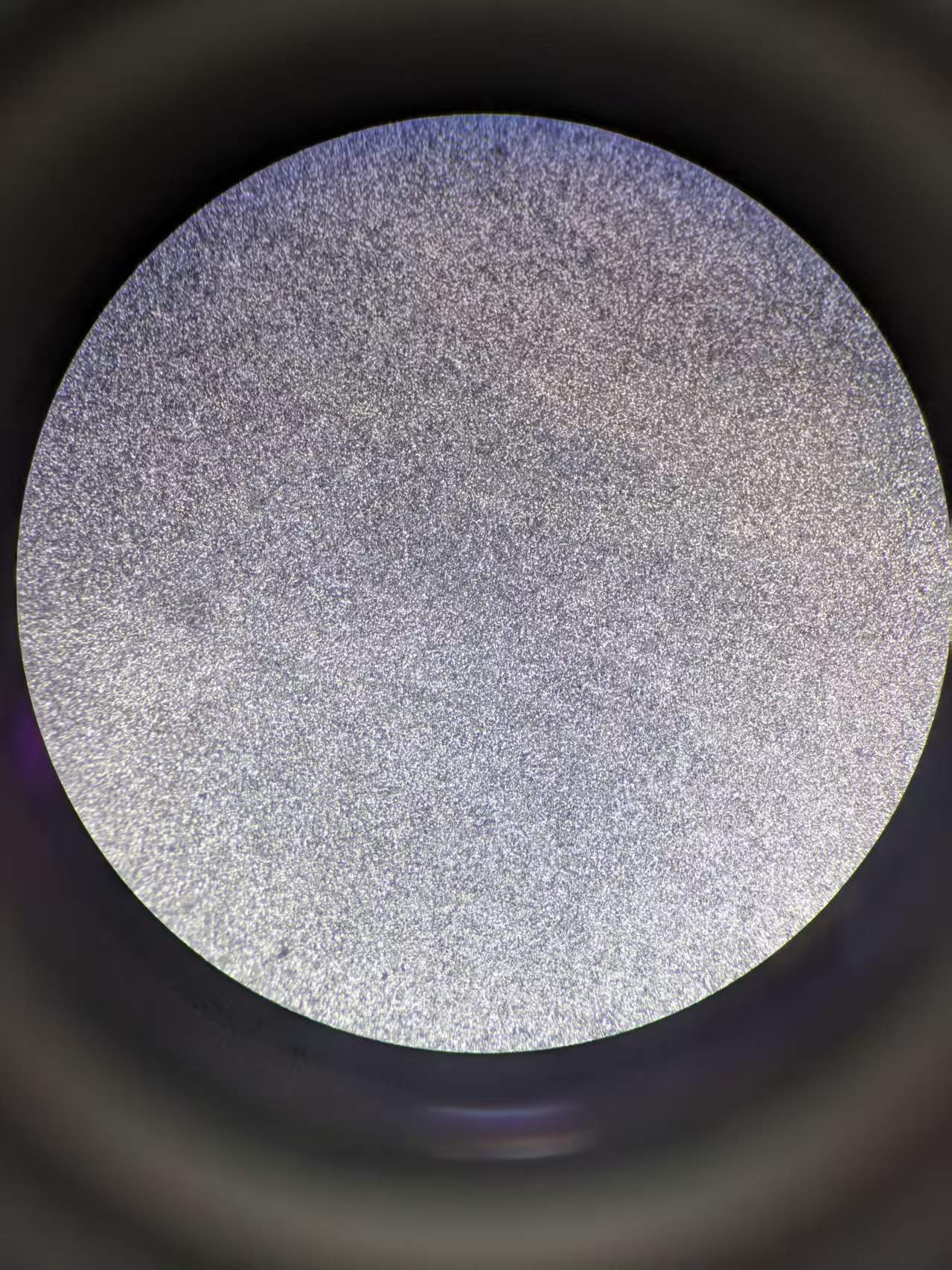
Why choose diamond?
Diamond is hard, thermally conductive, and chemically stable. These properties can be used in cookware coatings.
Ultra-high hardness
Mohs hardness 10; harder than stainless steel and common nonstick coatings
High thermal conductivity
Bulk diamond thermal conductivity about 2000+ W/m·K; faster, more even heating
Chemically inert
No reaction with food; no harmful substance release
Long-term use
Active fusion bonding and chemical attachment, intended for long-term use
Core advantages
Performance gains from patented technology
Service life
Diamond particles are chemically bonded to the substrate by active fusion bonding; the coating is resistant to peeling.
Food safety certified
Diamond material is non-toxic and harmless; coating contains no PFOA/PTFE or other harmful substances. Can pass GB 4806.1-2016 food contact material safety testing; FDA recognition capable.
Thermal conductivity
Bulk diamond thermal conductivity is about 2000+ W/m·K, which helps heat spread faster and more evenly.
Performance comparison
Compared with Teflon coating and ceramic coating
| Performance metric | Diamond nonstick coating | Teflon coating | Ceramic coating |
|---|---|---|---|
| Service life | Long-term use | Shorter | Medium |
| Heat resistance | 500°C | 260°C | 350°C |
| Metal spatula safe | ✗ | ✗ | |
| PFOA/PTFE free | ✗ | ||
| Scratch resistance | High hardness (Mohs 10) | Limited scratch resistance | Medium |
| Thermal performance | Faster, more even | Limited heat resistance | Limited heat resistance |
| Dishwasher safe | ✗ (accelerates aging) |
Learn more about diamond nonstick coating technology
The engineering team will detail technical principles and application prospects